What Level of Rider Do You Need for a Riding Holiday?
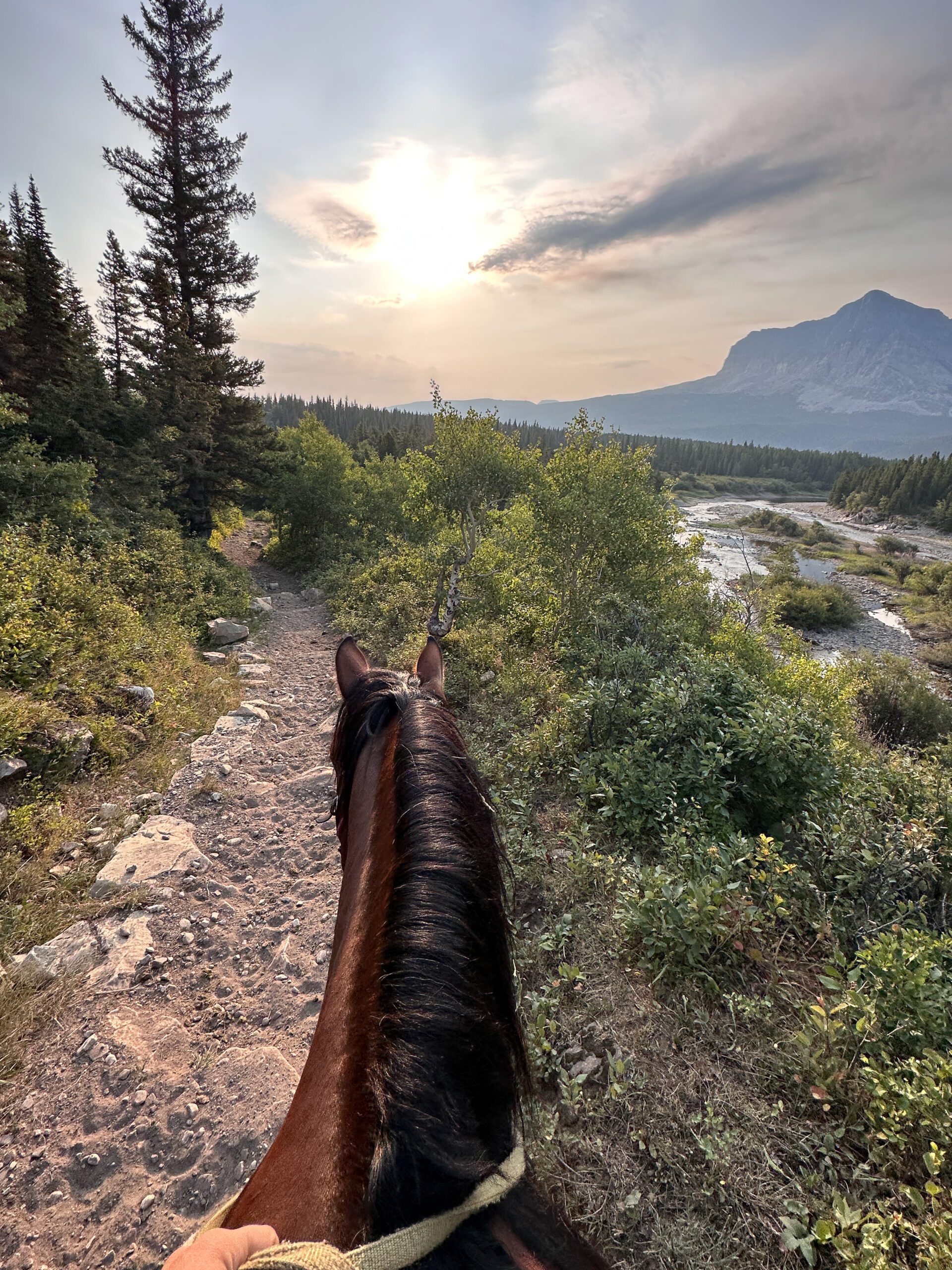
One of the first questions riders ask when considering a riding holiday is surprisingly difficult to answer:
“Am I experienced enough?”
The short answer is that there is no single riding level required for every riding holiday. The right level depends on the itinerary, terrain, pace, horses and how many hours you will spend in the saddle each day.
Beginner, intermediate and advanced sound straightforward, but riding ability is much harder to fit into three boxes.
Riding level is more than years in the saddle
A rider who has spent two years taking weekly arena lessons may have very different experience from someone who has spent years hacking across varied terrain. Neither is automatically the stronger rider for every type of riding holiday.
When assessing your level, it is more useful to ask yourself practical questions:
- Can you control a horse independently at walk and trot?
- Are you balanced and comfortable at canter?
- Have you cantered in open countryside?
- Are you comfortable riding an unfamiliar horse?
- Have you ridden over uneven, steep or changing terrain?
- How many hours can you comfortably remain in the saddle?
- How regularly are you riding now?
Current riding fitness matters too. Someone who rode extensively ten years ago but has only recently returned to the saddle may need a different itinerary from a rider who is currently riding several times each week.
Arena experience and trail experience are different
A confident arena rider is not automatically an experienced trail rider, and the reverse is also true.

Outside the arena, horses and riders encounter hills, water, changing surfaces, traffic, wildlife, open spaces and unexpected situations. A rider may be technically comfortable at canter but have little experience cantering with a group across open ground.
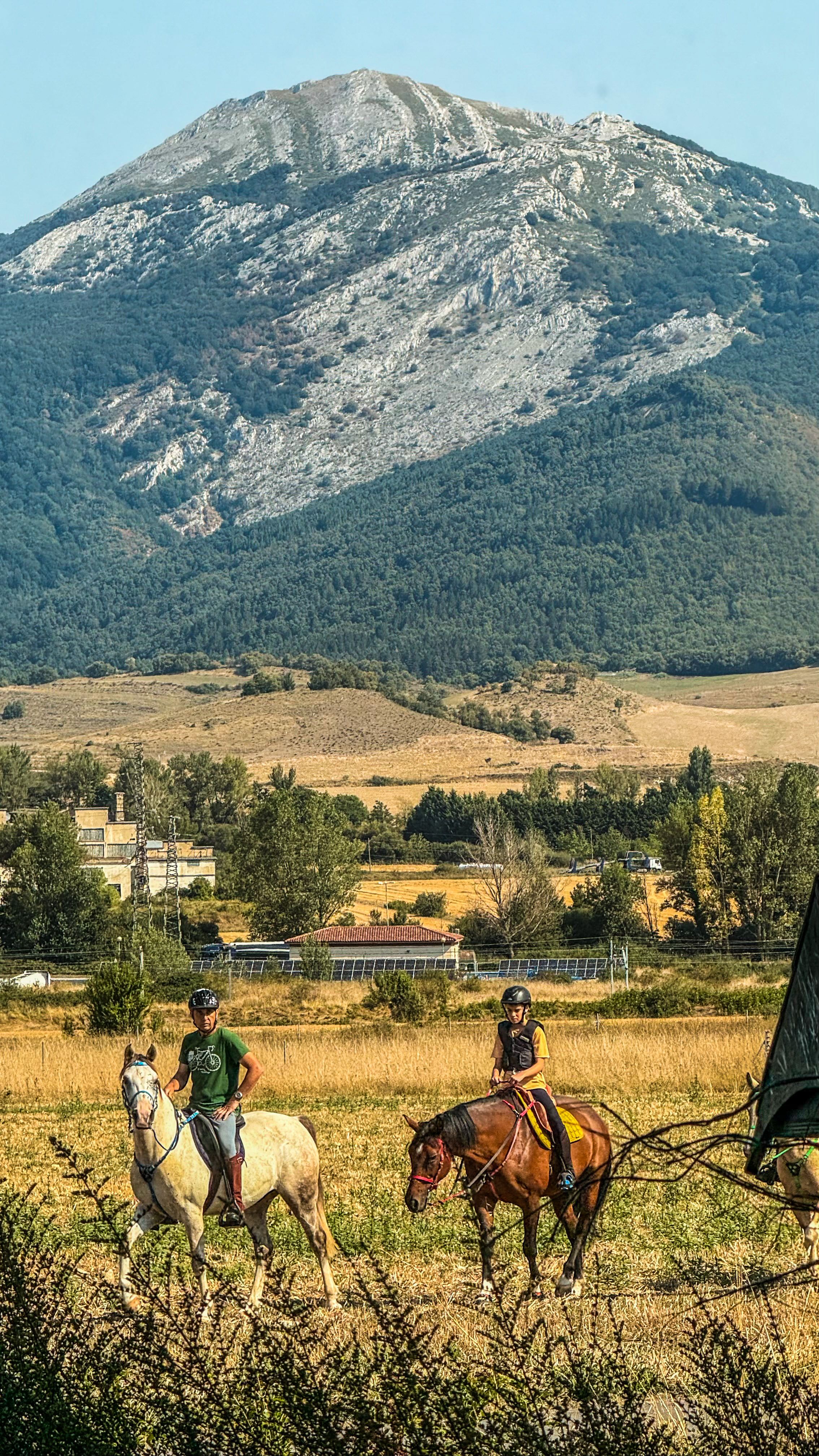
That is why trail experience can matter separately from the familiar walk, trot and canter labels.
Riding fitness can change the experience
A one-hour lesson and several hours on the trail ask very different things of the body. Riding requires continuous muscular adjustments for balance and stability, and fatigue can gradually affect a rider’s position and coordination.
On a multi-day riding holiday, that effect can accumulate. Even experienced riders sometimes discover muscles they had forgotten existed after the first long day in the saddle.
Increasing saddle time before travelling can therefore be just as useful as improving a particular technical skill.
Can beginners go on riding holidays?
Yes — provided the holiday is designed for their level.
A centre-based stay combining lessons with shorter rides can be very different from a fast point-to-point trail covering substantial distances each day. The same principle applies to riders returning after a long break.
The most suitable holiday is not necessarily the most demanding one. It is the one where the rider can ride confidently, safely and actually enjoy the experience.
What does “intermediate rider” actually mean?
There is no universal definition. Riding centres and destinations may use the same labels slightly differently.
Instead of relying entirely on a category, describe what you actually do. For example:
“I ride once a week. I am comfortable at walk, trot and canter, I hack regularly, but I have never ridden for more than three hours at a time.”
That description tells far more than the word “intermediate”.
Why honest self-assessment matters for the horse too

An accurate description of your riding helps the people responsible for the horses make a more appropriate horse-and-rider match.
Ability is only one consideration. Confidence, balance, experience, temperament, riding style and physical factors can all influence the match. A balanced rider who understands their own limits also makes the horse’s job easier.
That makes honest self-assessment part of responsible horsemanship, not simply a booking question.
Choosing the right riding holiday
Look beyond the destination photograph. Read the itinerary carefully and consider the pace, daily riding hours, terrain, consecutive riding days and whether confident cantering is required.
If you are unsure, a detailed description of your riding experience is usually more useful than trying to force yourself into a label.
At horseXperiences, riding experience forms part of choosing and preparing for an Xperience because different itineraries can ask very different things of horse and rider.
Ultimately, the useful question is not:
“Am I good enough for a riding holiday?”
It is:
“Which riding holiday is right for the rider I am today?”
#WeShareOurLoveForHorses